
Get Grease Trap Pumping in Elbert County, CO
Grease trap pumping services for property owners in Elbert County, CO, address clogged traps, prevent backups, and support proper waste management for restaurants and commercial kitchens.
Grease trap pumping services are essential for maintaining the proper function and safety of commercial kitchens and food service establishments in Elbert County, CO. Regular pumping prevents grease buildup that can lead to clogs, backups, and foul odors, ensuring the plumbing system operates smoothly and efficiently. Property owners often seek these services to reduce the risk of costly plumbing repairs, minimize disruptions to daily operations, and uphold health and sanitation standards that are critical for customer safety and compliance.
In addition to supporting operational reliability, grease trap pumping contributes to the overall curb appeal and durability of a property’s infrastructure. Keeping grease traps well-maintained helps prevent unsightly overflows and unpleasant smells, which can impact the appearance and reputation of a business. Many property owners also appreciate the reduced maintenance needs and peace of mind that comes with professional servicing, knowing that their plumbing systems are less prone to damage and long-term wear.
- Grease Trap Pumping Services - scheduled pumping helps prevent blockages and backups in commercial kitchens and food service establishments.
- Grease Trap Cleaning - regular cleaning is needed for restaurants and cafeterias to maintain proper flow and sanitation.
- Grease Trap Maintenance - routine maintenance services support the efficient operation of grease interceptors in hospitality venues.
- Grease Trap Inspection - inspections identify potential issues early for restaurants and catering businesses in nearby areas.
- Grease Trap Removal - professional removal services are essential when grease traps are beyond cleaning or repair needs.
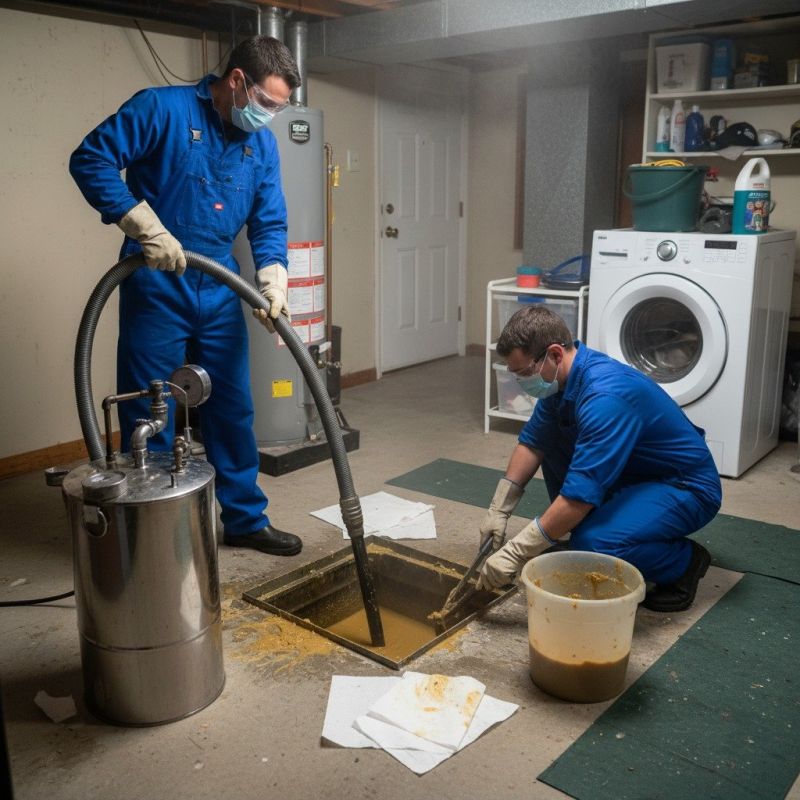
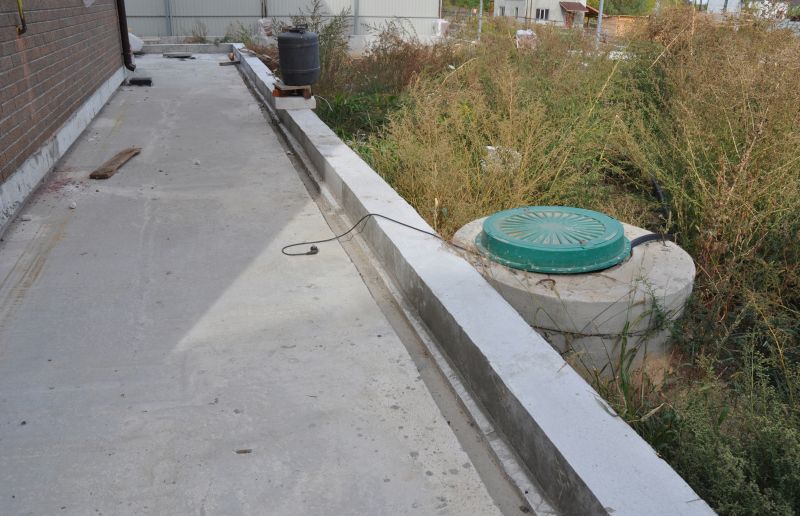
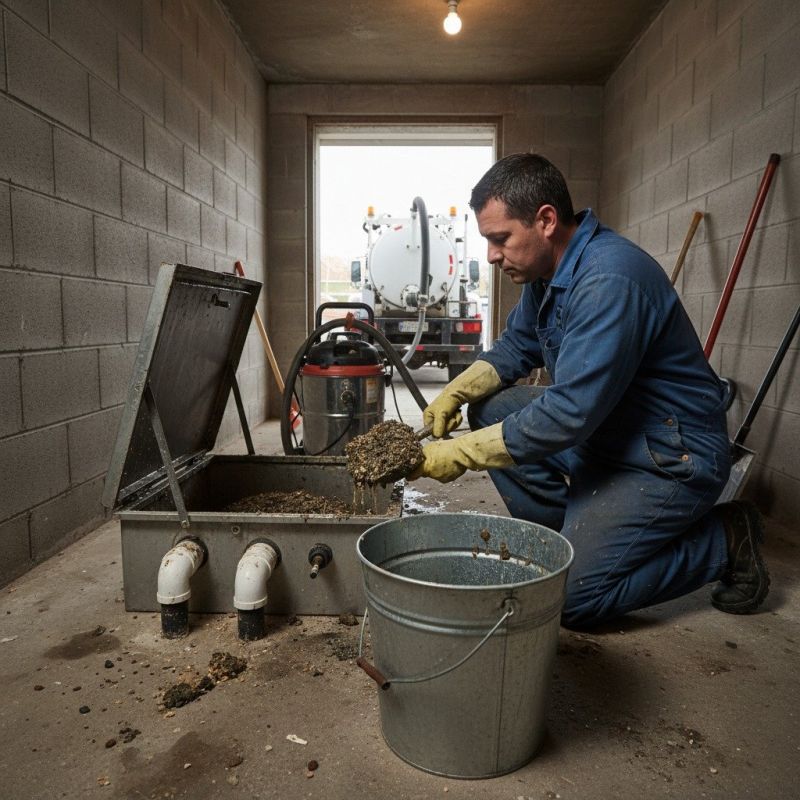
Grease trap pumping services involve the removal of accumulated fats, oils, and greases (FOG) from grease interceptors or traps used in commercial kitchens and food processing facilities. The process typically includes accessing the grease trap, extracting the contents, and thoroughly cleaning the unit to prevent buildup. Regular pumping helps maintain the proper functioning of the system, ensuring that fats and oils do not overflow or cause blockages within the plumbing infrastructure. It is a crucial aspect of managing commercial kitchen operations and maintaining compliance with local health and safety regulations.
These services help address common problems associated with grease buildup, such as foul odors, slow drains, and potential sewage backups. When grease accumulates beyond the capacity of the trap, it can lead to costly plumbing issues and environmental concerns. Proper and timely pumping helps prevent these issues by reducing the risk of clogs and ensuring that wastewater flows smoothly through the plumbing system. Additionally, routine maintenance can extend the lifespan of grease traps and reduce the likelihood of emergency repairs or service disruptions.
Properties that typically utilize grease trap pumping services include restaurants, cafeterias, catering facilities, hotels, and other commercial food establishments. Food processing plants and institutions with large-scale kitchens also rely on these services to keep their operations compliant and their plumbing systems functional. In some cases, industrial facilities with significant waste streams containing grease or fats may require specialized pumping services to manage their specific needs. Proper maintenance is essential for these properties to avoid costly downtime and maintain smooth, compliant operations.
Local service providers offer grease trap pumping to meet the needs of various commercial properties. These professionals are equipped to handle different sizes and types of grease interceptors, ensuring thorough cleaning and proper disposal of waste materials. Regular service schedules can help property owners prevent maintenance issues, avoid violations, and maintain efficient kitchen operations. Contacting experienced contractors for grease trap pumping can support ongoing compliance and help sustain the overall health of a property’s plumbing system.
The overview below groups typical Grease Trap Pumping projects into broad ranges so you can see how smaller, mid-sized, and larger jobs often compare in Elbert County, CO.
In many markets, a large share of routine jobs stays in the lower and middle ranges, while only a smaller percentage of projects moves into the highest bands when the work is more complex or site conditions are harder than average.
Average Cost Range - Grease trap pumping services typically cost between $150 and $400 per service, depending on the size of the trap and local rates. Larger traps or commercial facilities may incur higher fees, sometimes exceeding $500. Costs can vary significantly based on location and service provider.
Service Frequency Costs - Regular pumping schedules, such as monthly or quarterly, often reduce per-visit costs, which may range from $100 to $350. One-time or emergency pumping services tend to be more expensive, sometimes reaching $500 or more.
Additional Fees - Some service providers may charge extra for travel, disposal, or equipment fees, adding $50 to $150 to the overall cost. These charges vary depending on the proximity of the site and specific service requirements.
Cost Factors - Factors influencing costs include the size of the grease trap, accessibility, and local market rates. Smaller residential traps generally cost less, while large commercial systems can significantly increase the service expense. Contact local pros for precise quotes based on individual needs.
Actual totals will depend on details like access to the work area, the scope of the project, and the materials selected, so use these as general starting points rather than exact figures.
Grease Trap Pumping services involve removing accumulated fats, oils, and solids from commercial grease traps to ensure proper functioning. Local service providers specialize in maintaining these systems to prevent blockages and odors.
Commercial Kitchen Maintenance - grease trap pumping is a key component of regular kitchen maintenance to support health code compliance and operational efficiency.
Waste Removal Services - professionals offering grease trap pumping handle the safe and efficient removal of waste materials from commercial facilities.
Plumbing and Drain Cleaning - grease trap pumping is often integrated with plumbing services to address drainage issues caused by grease buildup.
Food Service Facility Upkeep - regular grease trap pumping helps restaurants and cafeterias maintain compliance and prevent costly plumbing issues.
Environmental Waste Management - local providers manage the proper disposal of waste collected during grease trap pumping to meet local regulations.
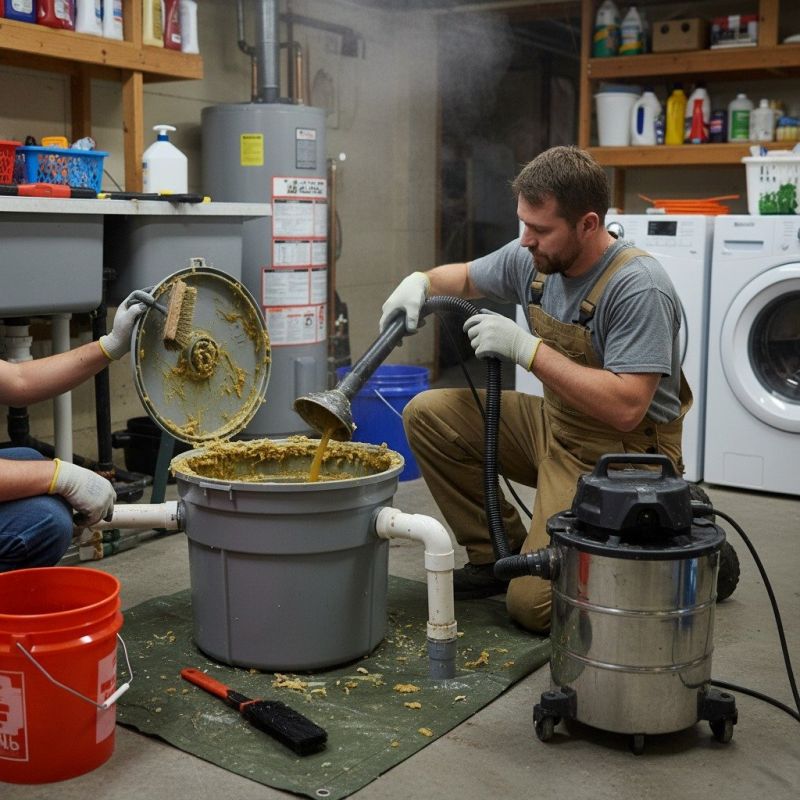
When selecting a professional for grease trap pumping services, it is important to consider the experience of the local providers. Established service providers often have a history of working with commercial and industrial clients, which can indicate a deeper understanding of proper pumping procedures and maintenance requirements. Homeowners should inquire about the length of time a provider has been in operation and their familiarity with local regulations and industry standards to ensure reliable service.
Clear communication and well-defined expectations are essential when working with a grease trap pumping contractor. Reputable local pros typically provide detailed information about their services, including what the job entails, the scope of work, and any preparations needed. Homeowners are encouraged to seek providers who are transparent about their processes and who can offer written estimates or service agreements that outline the scope and costs upfront, helping to prevent misunderstandings.
Reputable references and reviews can offer valuable insights into a contractor’s reliability and quality of work. Homeowners should look for local service providers with positive feedback from previous clients, especially those with similar property types or service needs. Reliable communication, responsiveness, and professionalism are also key indicators of a trustworthy contractor. Since the site introduces local options rather than performing the work itself, it is recommended to contact multiple providers to compare their experience, expectations, and references before selecting a service professional for grease trap pumping.
Property owners in Elbert County, CO use Grease Trap Pumping services for practical projects around their homes and businesses. The sections below highlight everyday jobs and straightforward project options.
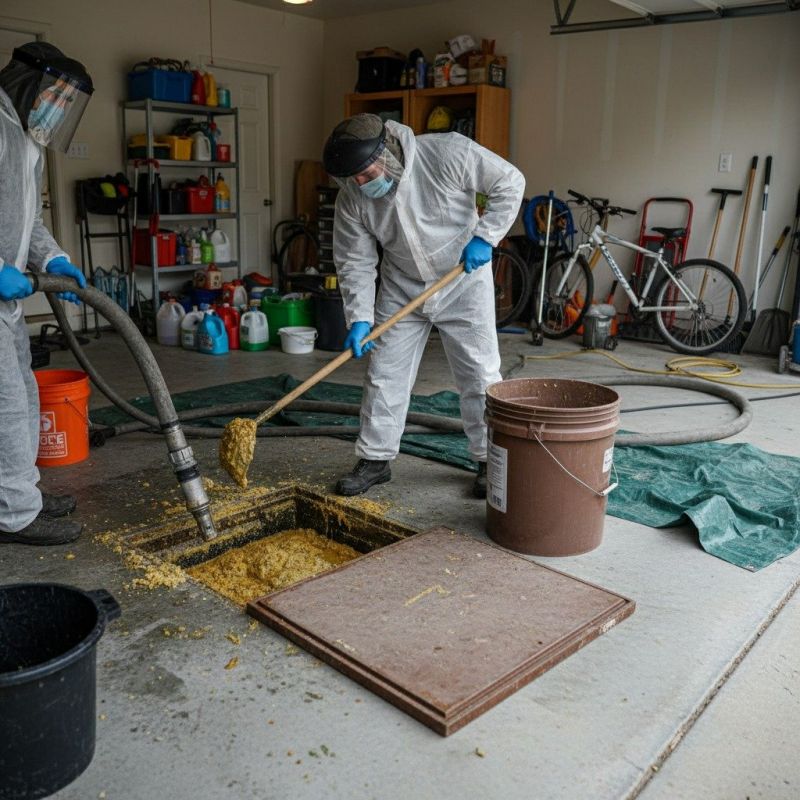
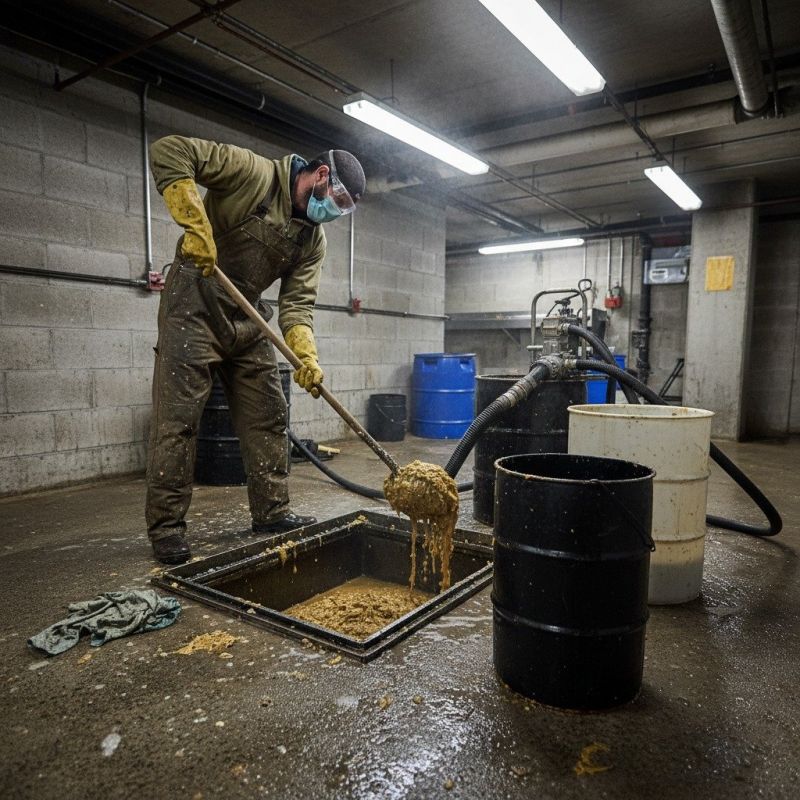
Grease trap pumping services are commonly sought by property owners in Elbert County, CO, who need to maintain the proper functioning of commercial kitchens, restaurants, and food service facilities. Regular pumping helps prevent grease buildup that can lead to clogs, backups, and costly repairs, ensuring that plumbing systems remain compliant with local health and safety regulations. Property managers and restaurant owners often schedule routine maintenance to keep their operations running smoothly and avoid unexpected disruptions caused by overflowing or malfunctioning grease traps.
In addition, property owners of food-related businesses or facilities with on-site kitchens may look for grease trap pumping when experiencing slow drains or foul odors that suggest grease accumulation. Proper maintenance by local service providers can help extend the lifespan of plumbing infrastructure and reduce the risk of plumbing emergencies. Many in Elbert County rely on professional contractors to handle these services efficiently, ensuring their property remains compliant and operational without the hassle of managing the work independently.
What is grease trap pumping? Grease trap pumping involves removing accumulated fats, oils, and solids from a grease trap to ensure proper functioning and prevent blockages.
How often should grease traps be pumped? The frequency of pumping depends on the size of the trap and the volume of kitchen activity; a professional can recommend a suitable schedule.
Why is regular grease trap maintenance important? Regular maintenance helps prevent foul odors, backups, and costly repairs by keeping the grease trap functioning effectively.
What signs indicate a grease trap needs pumping? Signs include slow drainage, foul odors, or visible buildup around the trap area, suggesting it may require service.
How can I find local grease trap pumping services? Contacting local plumbing or waste management service providers can connect you with qualified professionals for grease trap pumping needs.
Grease Trap Pumping Services - Professional providers offer scheduled pumping to prevent blockages and maintain proper system function.
Emergency Grease Trap Pumping - Local specialists can respond quickly to urgent needs, minimizing potential disruptions.
Commercial Grease Trap Maintenance - Service providers assist with routine pumping and inspection to ensure compliance and efficiency.
Consultation on Grease Trap Systems - Experts can advise on the best system sizes and placement for your property’s needs.
Considering Grease Trap Pumping for a property in Elbert County, CO? The sections above highlight common project types, practical options, and details that often shape the scope of work.
When you are ready, use the quote form to share a few details about your project. Local pros can review the basics and respond with options that match what you have in mind.